Key Takeaways
- Yuridia Trujillo faces 19 counts involving false income tax returns.
- Alleged crypto losses involved assets taxpayers never owned.
- Portions of refunds allegedly flowed into the preparer’s and an associate’s accounts.
Prosecutors Allege Crypto Losses on Nonexistent Holdings
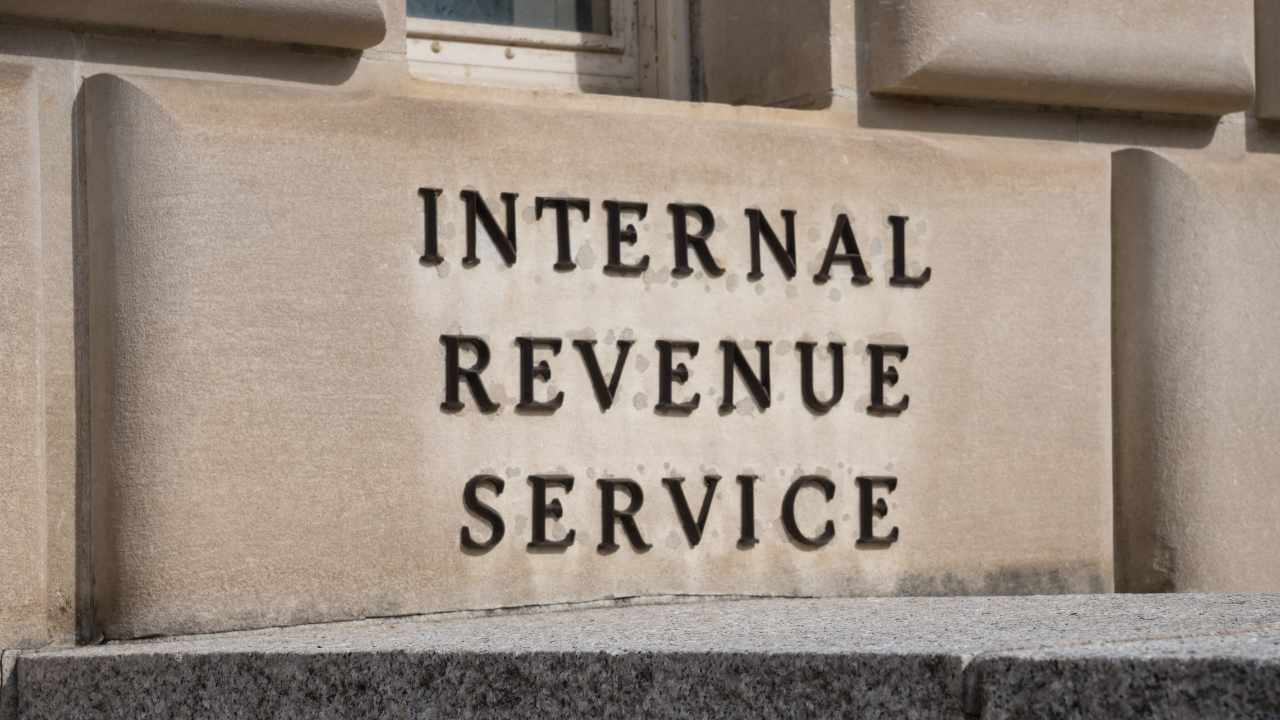
Losses on cryptocurrency that taxpayers never owned allegedly appeared on returns prepared by Yuridia Trujillo of Meriden, Connecticut, authorities announced on Oct. 22. The Internal Revenue Service (IRS) detailed the alleged false-return scheme involving her business, Yuri’s LLC. She prepared at least 4,335 returns for tax years 2017 through 2024.
According to the indictment, many filings contained false entries involving retirement contributions, dependent care, businesses, and rental properties. The announcement described:
“… fictitious losses for the buying and selling of stocks and cryptocurrency that clients never owned”
Trujillo also allegedly used Form 8888, which allows taxpayers to split a direct-deposit refund among up to three bank accounts, to direct portions of taxpayers’ refunds into bank accounts belonging to herself and an associate.
A federal grand jury returned the indictment Oct. 7, and authorities arrested her Oct. 9. She is released on a $50,000 bond pending trial. Each charge of aiding and assisting in the preparation and presentation of a false income tax return carries up to three years in prison upon conviction. The charges remain allegations, and she is presumed innocent unless proven guilty beyond a reasonable doubt.
How Investment Losses Can Reduce Taxable Income
Legitimate losses on cryptocurrency held for investment can offset capital gains under the rules governing U.S. cryptocurrency taxation. A capital loss generally arises when an investment sells for less than its adjusted basis, usually its purchase cost with applicable adjustments.
When capital losses exceed gains, taxpayers can generally deduct up to $3,000 of the difference against other income, or $1,500 if married filing separately. The IRS’s capital loss deduction limits also permit unused amounts to carry forward into later years.
Transaction records substantiate the amounts reported, including receipts, sales, exchanges, and the dollar value of cryptocurrency at the relevant time. Established crypto transaction reporting requirements include using Form 8949, which lists individual asset sales and exchanges, to calculate most investment gains and losses, then summarizing them on Schedule D, the section of a federal return that totals capital gains and deductible losses.
False Cost Figures and Expanded Broker Reporting
Misstating an investment’s purchase cost can also reduce reported gains, as demonstrated by Frank Richard Ahlgren III’s guilty plea in a separate Texas case. The Austin bitcoin investor inflated the cost basis of bitcoin sold in 2017.
Ahlgren subsequently received a two-year sentence for false crypto tax reporting on Dec. 12, 2024, the Justice Department announced. The court also ordered $1,095,031 in restitution to the United States.
Federal reporting rules now provide the IRS with more information about covered transactions through digital asset broker reporting requirements finalized in 2024. Brokers report gross proceeds, or sale amounts before subtracting costs, for 2025 transactions in 2026. Reporting of purchase-cost information for certain 2026 transactions follows in 2027.